
I walked in expecting chaos. What I found changed everything I thought I knew about birth.
Before I photographed my first home birth, I had never been inside one. I’d had five babies of my own — all at the hospital, all with an epidural, all exactly the way I’d planned them. The idea of a home birth felt distant. A little unfamiliar. If I’m being honest, a little intimidating.
So when Paige, a mom from my daughters’ preschool, said yes to having me document her home birth, I showed up with my camera, my Nikon, and a whole lot of assumptions about what I was walking into.
Every single one of them was wrong.
What I Expected When I Walked Into My First Home Birth
Let me be real with you: I pictured something chaotic.
I think that’s what most people picture when they hear “home birth.” Screaming. Mess. Unpredictability. A level of intensity that I wasn’t sure I was prepared for — and I had been to births before. I had supported my best friend through her delivery. I thought I knew what to expect in a room where a baby was about to arrive.
I was wrong about that too. (That’s a story for another day.)
What I pictured walking into Paige’s home was nothing close to what I found. I braced myself at the door. I took a breath. And then I walked in.

What I Actually Found
The room was dim and quiet.
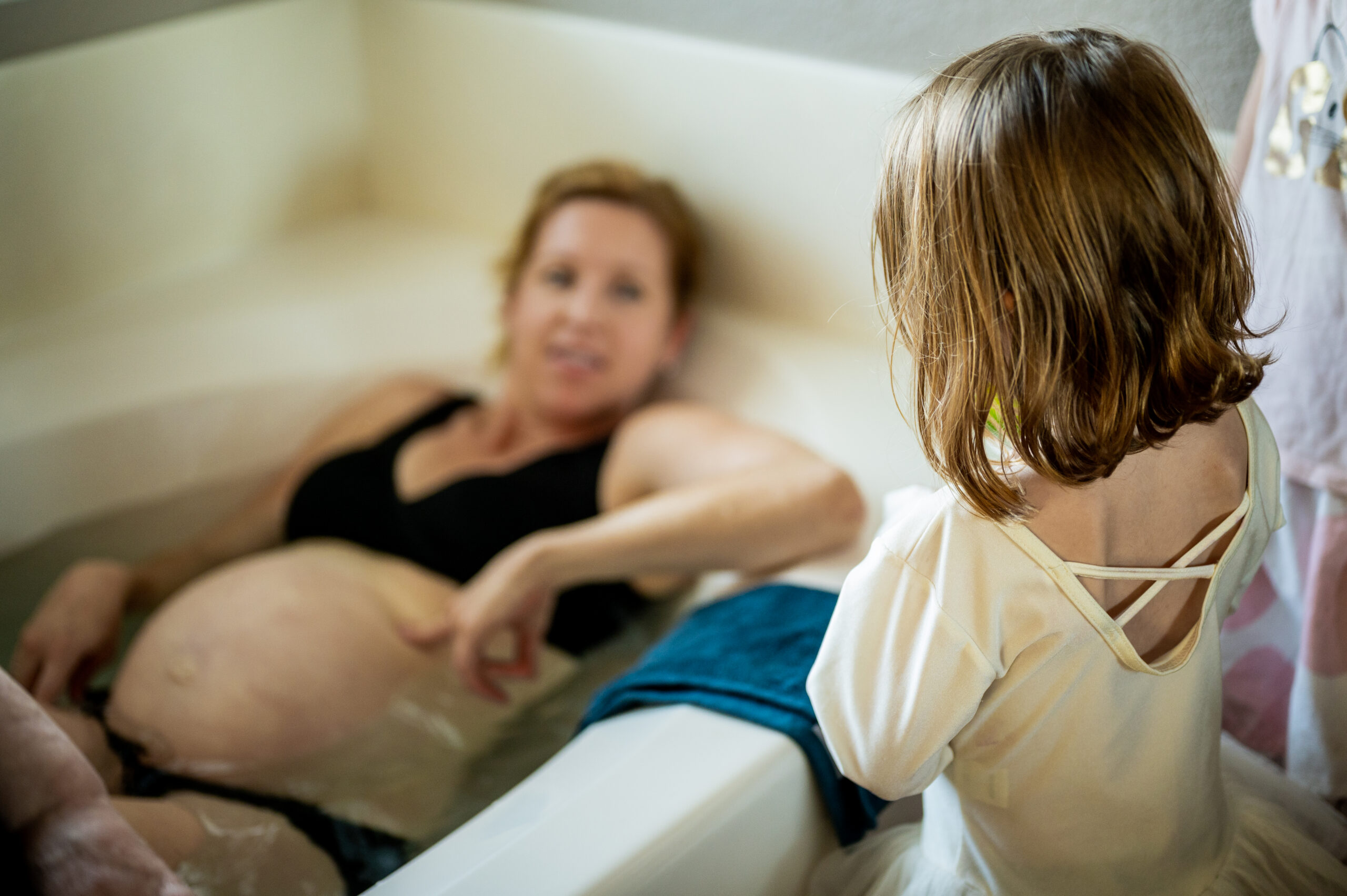
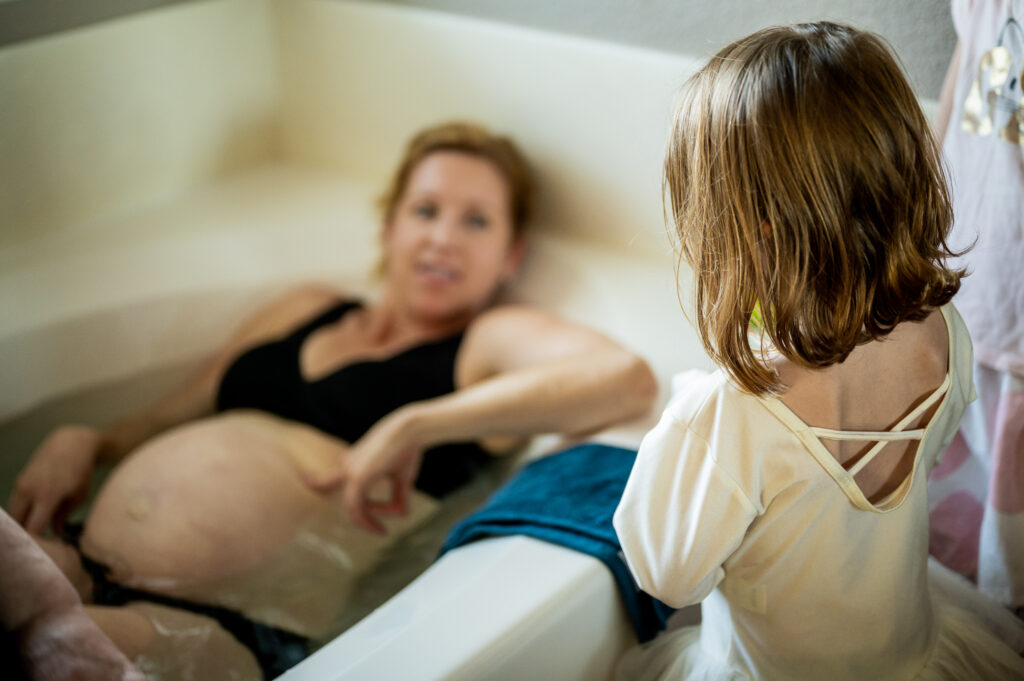
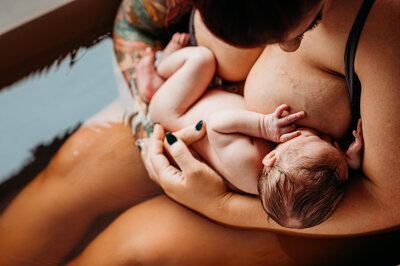
Paige was laboring in the tub when I arrived. There was soft music. There was a calm, focused energy that I had never felt in a delivery room before — and I mean that in the best possible way. Nobody was rushing. Nobody was anxious. Her midwife, Susan, was watching her with the kind of attention that comes from years of knowing exactly what a laboring body needs.
I sat down on the floor. I got my camera ready. And I just — watched.
Paige labored in near silence. She was completely inside herself, doing the thing her body knew how to do. At one point I leaned over and told her that her house was quieter right now than mine is at seven in the morning.
She was in active labor. Her daughters were home. And it was still the calmest room I had ever been in.
I had never seen anything like it.
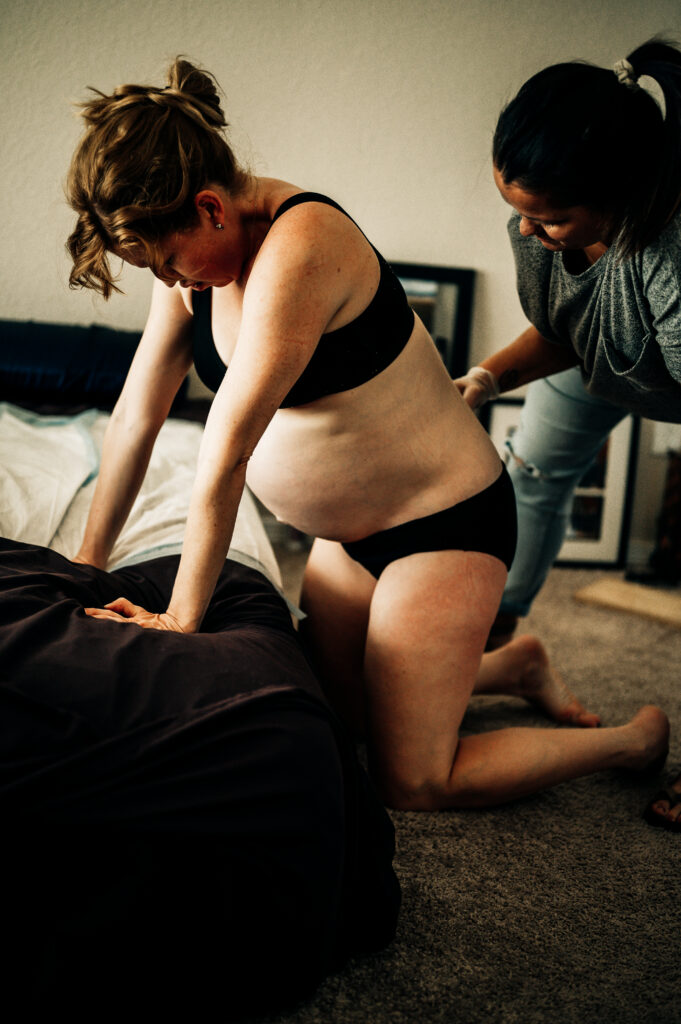
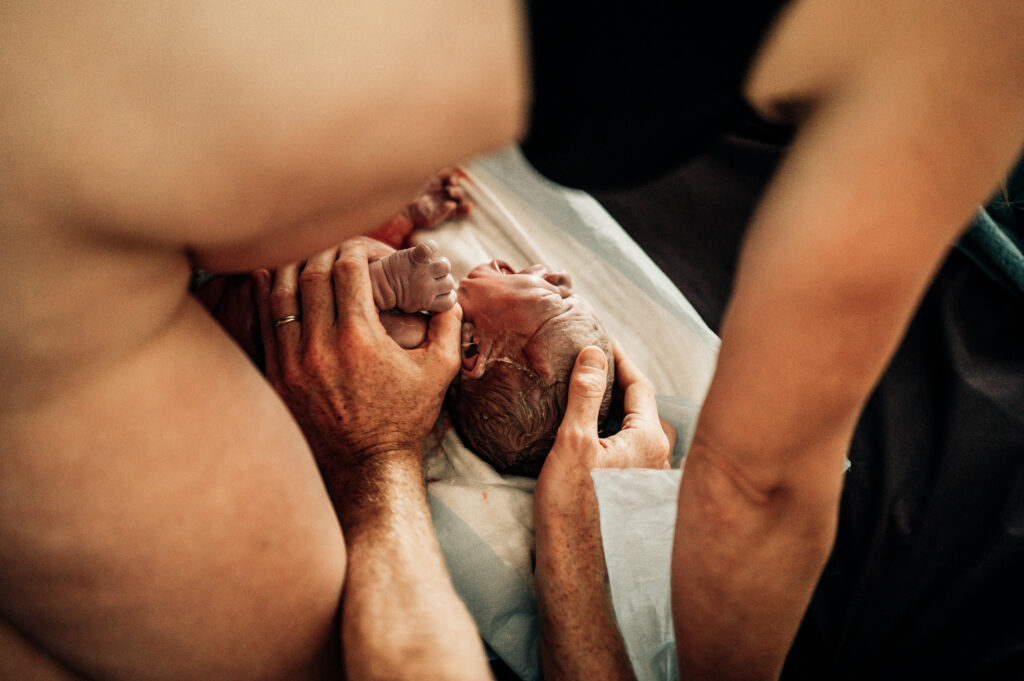
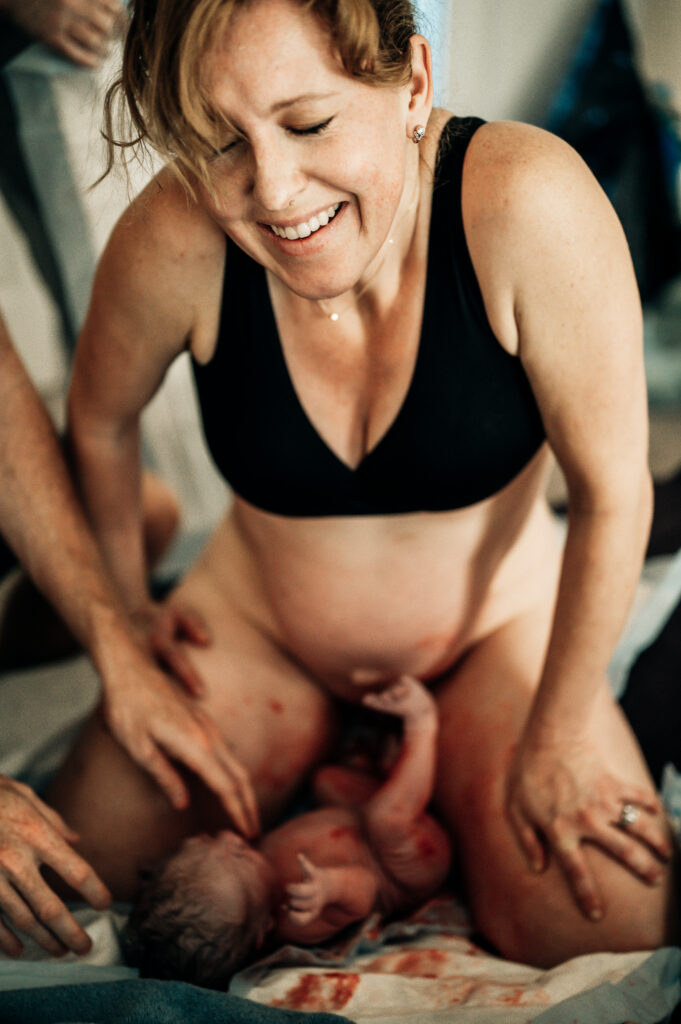
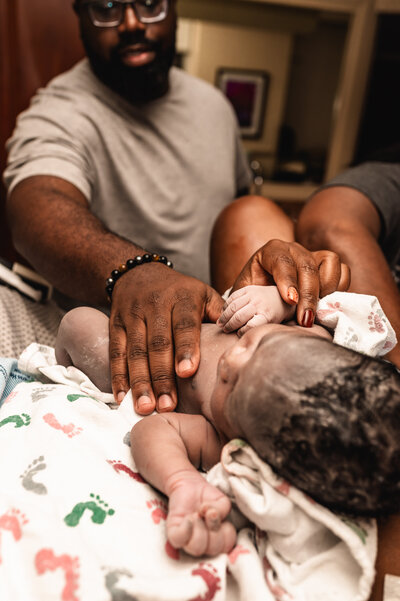
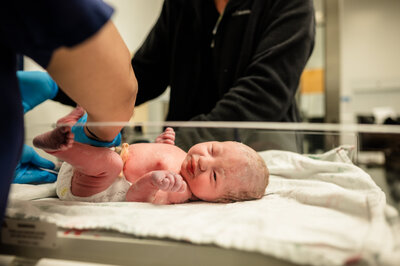
Susan eventually got Paige out of the tub. Onto the bed. On all fours, with one leg repositioned just so. And that baby came fast — faster than any of us expected. He was born en caul, still wrapped inside his amniotic sac, both little fists tucked up at his cheeks.
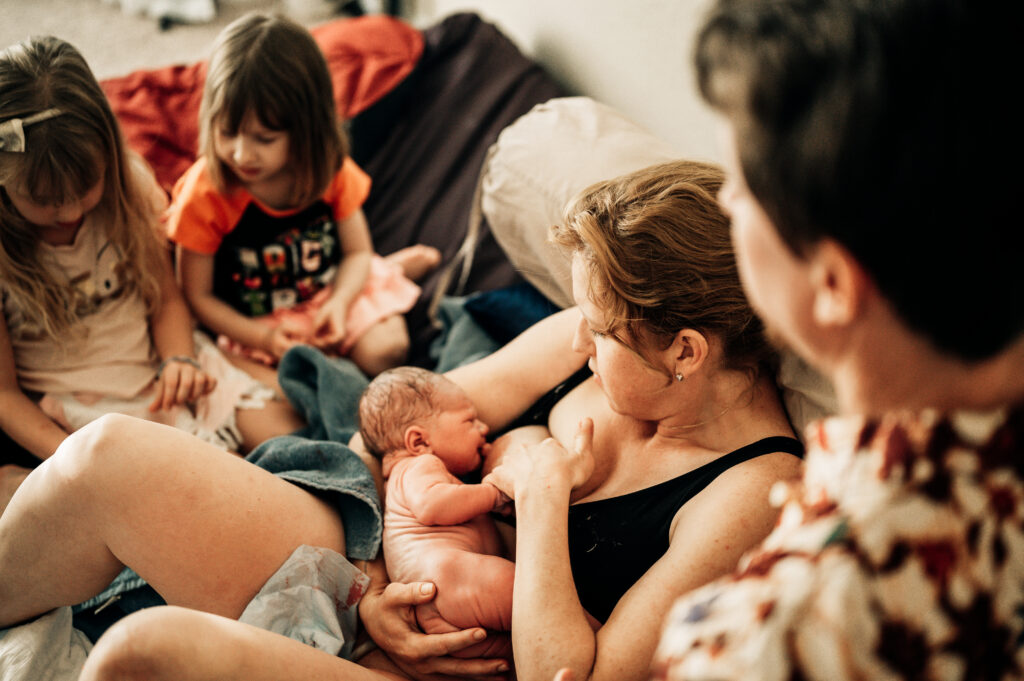
Paige’s three-year-old had climbed into my lap sometime during the labor and stayed there the whole time.
I was hooked before he even took his first breath.
The Midwife’s Role — And Why It Changes Everything
One of the things I didn’t fully understand before photographing a home birth was how central the midwife is to the entire experience.
Susan with Midwife Collective wasn’t just there to catch the baby. She was watching Paige throughout labor with a trained eye, reading the signs, making calls, and guiding her body through the process in a way that felt both clinical and deeply human at the same time. When she told Paige to get out of the tub, there was no hesitation. When she repositioned Paige’s leg on the bed, it was purposeful. Every instruction had a reason behind it.
As a photographer, this taught me something important: in a home birth, the midwife sets the energy of the room. And when that midwife is experienced and calm, the room becomes something extraordinary to be inside.
I’ve photographed births in hospitals, in birth centers, and in homes. Each setting is different. But there is a particular quality to a home birth that I believe is directly tied to the level of trust between a laboring mom and her midwife. When that relationship is strong, the birth unfolds in a way that is almost impossible to describe — and very possible to photograph.
What Makes Home Birth Photography Different
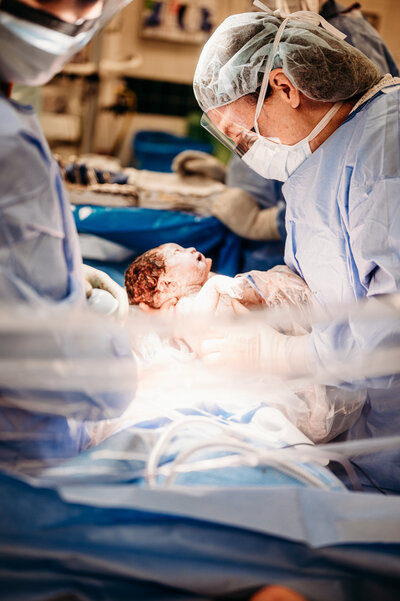
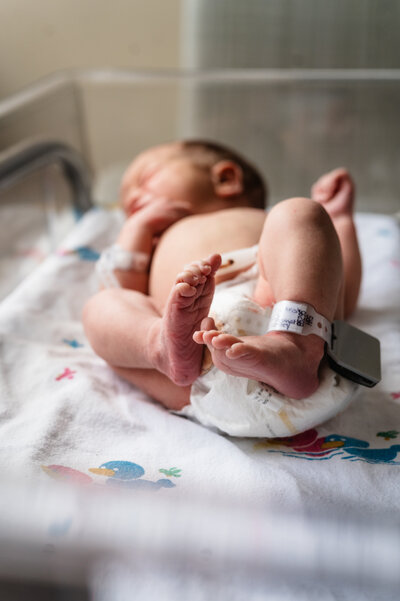
When I photograph a hospital birth, I’m working within a certain structure. Beeping monitors. Shift changes. Fluorescent lights. A room designed for medical care, not for the kind of soft, intimate documentation I want to create.
When I photograph a home birth, I’m working inside someone’s actual life.
The light is real. The space is theirs. The objects around them — the quilt on the bed, the candles on the dresser, the family dog curled up at the foot of the door — all of it tells the story of who these people are.
Here’s what that means for your photos:
• The light is almost always more beautiful. Homes have windows, lamps, and natural light that creates a warmth that hospitals simply can’t replicate.
• The details are more personal. Your things are in the background. Your space. Your life.
• The energy is different. You’re on your own turf. Most moms tell me they feel more in control, more at ease, more themselves when they labor at home.
• The access is better. I can move freely. I can get low, get close, and find angles that a hospital room — with its equipment and foot traffic — makes more difficult.
None of this makes home birth photography “better” than hospital birth photography. They are just different. What I can tell you is that a home birth, photographed well, produces some of the most extraordinary images I have ever made.


leave a comment